


The Lube Mistake That Ruins Expensive Toys
Picture this: you invest in a premium silicone vibrator, reach for whatever lubricant is in the nightstand, and within a few uses the surface turns sticky, pitted, and rough. The damage is permanent. No amount of cleaning will fix it.
The personal lubricant market hit $1.91 billion in 2025 and keeps growing, yet most buyers never check whether their lube is compatible with their toys before using it. That's a problem worth solving. By the end of this guide, you'll know exactly which lubricant pairs safely with every toy material you own — no guesswork, no ruined purchases, just clear, science-backed answers.
Water-Based Lubricant: The Universal Safe Choice
Water-based lube is compatible with every toy material on the market: silicone, TPE/TPR, ABS hard plastic, glass, stainless steel, and crystal. It won't trigger chemical reactions or degrade any surface. If you're ever unsure about compatibility, water-based is always the safe default.
The trade-off is longevity. Water-based formulas typically last only 5 to 15 minutes per application and dilute quickly in water, so you'll need to reapply more often. That's a minor inconvenience compared to damaging a toy.
The Osmolality Problem Most People Don't Know About
Not all water-based lubes are created equal. Many popular drugstore brands have dangerously high osmolality, a measure of a solution's concentration. High-osmolality formulas pull water out of vaginal or rectal cells, causing tissue irritation and increasing vulnerability to infection.
The WHO recommends lubricant osmolality below 1,200 mOsm/kg, with ideal vaginal iso-osmolality sitting between 260 and 290 mOsm/kg. For context, KY Jelly clocks in at roughly 2,007 mOsm/kg, and Astroglide Gel reaches 8,064 mOsm/kg. Both far exceed safe thresholds. Check the label before you buy.
pH and Ingredients Matter Too
Healthy vaginal tissue maintains a pH between 3.8 and 4.5. A lubricant outside this range can disrupt the natural microbiome and raise the risk of bacterial vaginosis. Look for formulas that specify a pH within that window.
Ingredient red flags to avoid include glycerin, propylene glycol, and parabens. These additives can irritate and are increasingly falling out of favor as the clean-ingredient wellness movement gains momentum. Fragrance-free formulas are generally a safer bet.
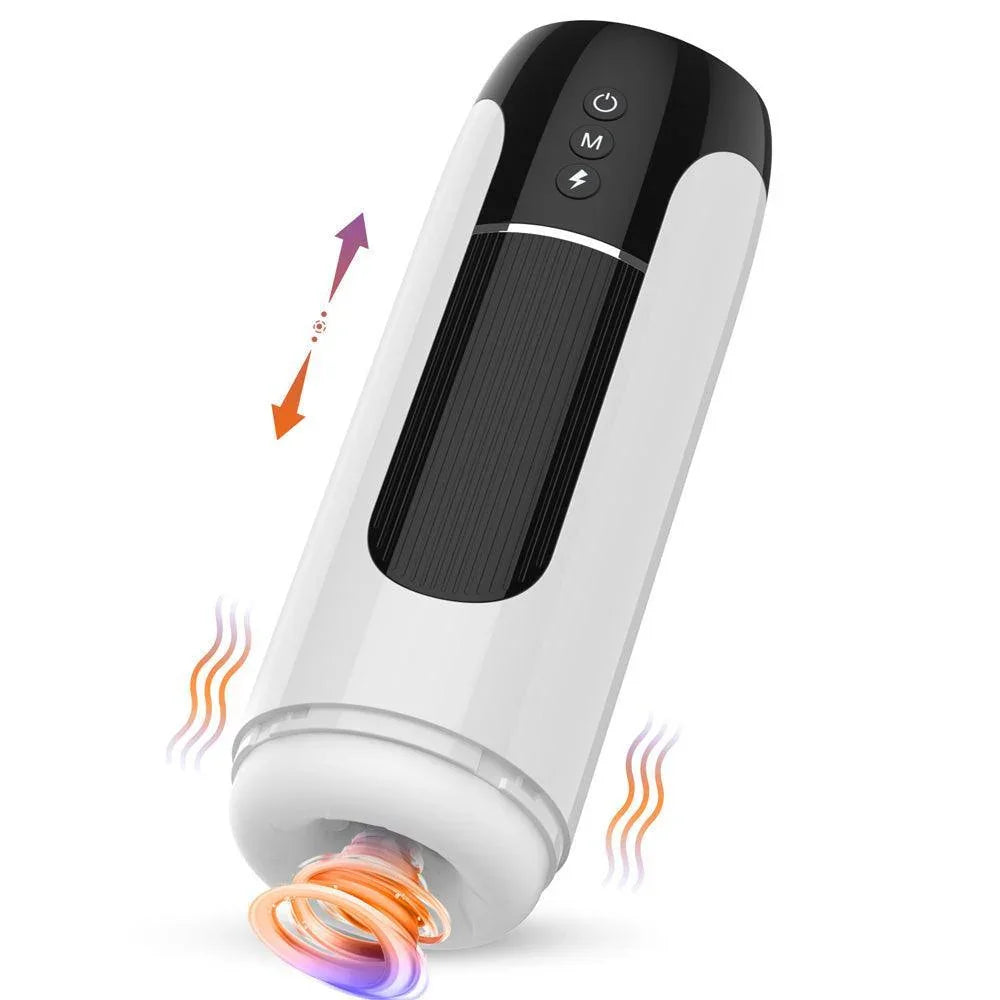
One more critical note: water-based lube is the only safe choice for TPE/TPR masturbators and sleeves. These porous materials can absorb substances, and silicone or oil-based lubes may interact with plasticizers in the material, causing swelling or breakdown.
Silicone-Based Lubricant: Longer Lasting, But Know the Rules
Silicone lube has clear practical advantages. It lasts 30 to 60 minutes per application, is waterproof (making it ideal for shower or bath play), and accounts for approximately 32% of market usage. It's also the most common lubricant used in pre-lubricated condoms because of its latex compatibility and shelf stability.
From a regulatory standpoint, silicone-based lubricants are classified as Class 2 medical devices by the FDA, meaning they undergo formal review before reaching shelves — a meaningful quality signal.
Why Pelvic Floor Therapists Often Recommend It
Silicone lube is pH-neutral and anhydrous (water-free). It does not affect vaginal osmolality or pH, and it does not appear to disrupt the vaginal microbiome with repeated use. For these reasons, pelvic floor physical therapists frequently recommend it as a first choice for patients experiencing vaginal dryness, postpartum dryness, or sensitivity.
The Science Behind Silicone-on-Silicone Damage
Here's where it gets important. Both silicone lube and silicone toys are made from polydimethylsiloxane (PDMS) polymer chains. The difference is structure: the toy's PDMS chains are crosslinked into a stable, solid matrix, while the lube contains smaller, mobile PDMS molecules.
When silicone lube contacts a silicone toy, those smaller molecules migrate into the toy's crosslinked surface. The surface swells, becomes permanently tacky, then develops pitting and roughness over time. This damage is cumulative and completely irreversible.
The absolute rule: never use silicone-based lubricant on silicone sex toys.
Also worth checking your ingredient labels for cyclomethicone, cyclopentasiloxane, and cyclotetrasiloxane. These cyclic silicones have been linked to reproductive harm in animal studies, and avoiding them is a reasonable precaution.
Glass, stainless steel, ceramic, and hard ABS plastic toys are non-porous and non-reactive. They pair well with silicone lube without any risk of damage.
Lube Compatibility by Toy Material: A Quick-Reference Guide
This is the section to bookmark. Here's your material-by-material breakdown:
- Silicone toys: Water-based lube only. Silicone lube causes irreversible PDMS surface damage.
- TPE/TPR toys (masturbators, sleeves): Water-based lube only. These porous materials absorb substances, and silicone or oil-based lubes can react with plasticizers.
- Hard ABS plastic toys: Compatible with water-based and silicone lube. Non-porous and non-reactive.
- Glass, stainless steel, and ceramic toys: Compatible with all lubricant types, including water-based, silicone, and oil-based.
Xinghaoya's body-safe, phthalate-free toys are made from medical-grade silicone and stainless steel, materials designed with safety at their core. Pairing them with the right lubricant protects your investment and extends the life of every product.
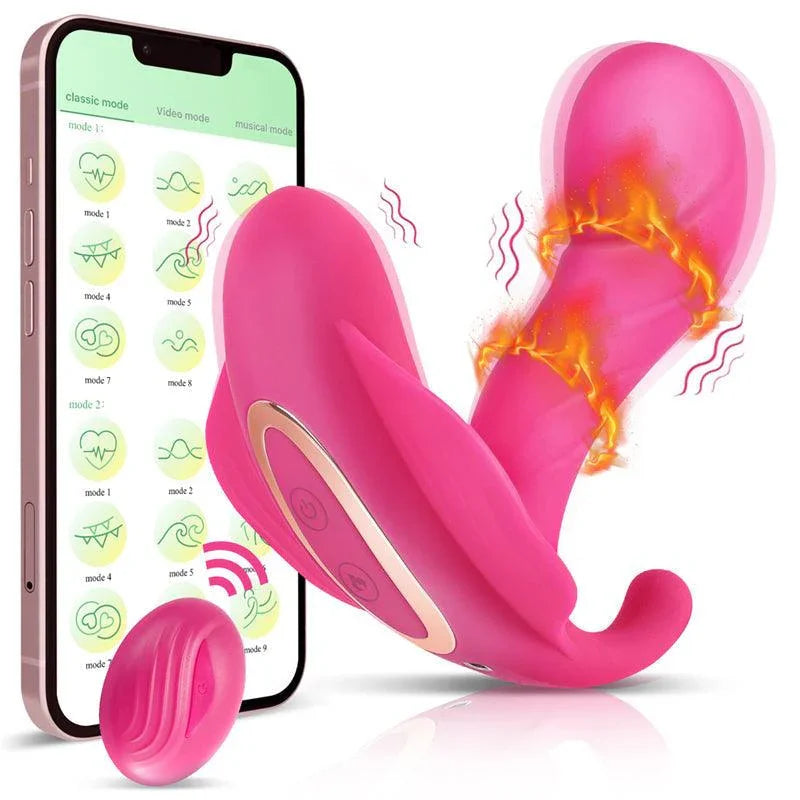
One detail that often gets overlooked: app-controlled and remote-control vibrators are typically made from premium silicone. These are among the most expensive toys in any collection, and they're especially vulnerable to silicone lube damage. Water-based lube is essential for these devices.
Using the wrong lube doesn't just ruin the texture of a toy — it destroys something you paid good money for. Think of lube compatibility as part of the cost of ownership.
Hybrid Lubricants: The Third Option Most People Don't Know About
Hybrid lubes blend approximately 90% water-based with about 10% silicone. The result is a formula that lasts longer than pure water-based lube without carrying the full risk profile of pure silicone. Hybrid and specialty blends are the fastest-growing sub-segment in the lubricant market, projected at an 11.67% CAGR through 2031, yet most guides skip over them entirely.
The gray area: the silicone content in hybrids may still interact with silicone toys, depending on the toy's quality and the lube's silicone concentration. They are not automatically safe for silicone surfaces.
Here's a simple spot-test protocol to find out:
- Apply a small drop of hybrid lube to an inconspicuous area of the silicone toy.
- Wait 10 to 15 minutes.
- Wipe clean and inspect for tackiness, discoloration, or texture change.
- If there's no reaction, the lube is likely safe for that specific toy.
Hybrid lubes are a strong option for glass, stainless steel, and ABS plastic toy users who want extended sessions without constant reapplication. They are not appropriate for TPE/TPR toys.
Special Considerations: Anal Play and Sensitive Skin
Rectal tissue has a pH of approximately 7.0, significantly different from vaginal pH (3.8 to 4.5). This means pH-matched formulas serve different purposes depending on the area of use.
The rectum produces no natural lubrication, and the tissue is more fragile than vaginal tissue. Generous, long-lasting lube is essential. Silicone lube's 30- to 60-minute duration is a real practical advantage here. A 2011 laboratory study found that silicone-based lubricants did not appear to damage rectal epithelial cells, while many water-based and oil-based options did, making silicone a clinically supported choice for anal toys made from non-silicone materials.
For users with sensitive skin, vaginal dryness, or postpartum conditions, pelvic floor physical therapists often recommend silicone lube as a first choice precisely because it carries no pH or osmolality concerns. Regardless of which type you choose, look for formulas that are fragrance-free, paraben-free, and glycerin-free.
One final reminder: the WHO recommends water-based or silicone-based lubricants for condom use. Oil-based lubes degrade latex condoms rapidly and should never be used with them.
The Simple Rule That Protects Every Toy You Own
The decision framework is straightforward. If your toy is silicone or TPE/TPR, use water-based lube only. If your toy is glass, steel, ceramic, or ABS plastic, both water-based and silicone lube work well. If you want longer glide on a non-silicone toy, consider a hybrid lube after running a spot test.
Beyond compatibility, reading ingredient labels matters. Osmolality, pH, and flagged chemicals like cyclomethicone are worth checking regardless of which lube type you prefer.
Choosing the right lubricant is a simple act of self-care that protects your body and your investment at the same time. When you're ready to shop with confidence, explore Xinghaoya's full range of body-safe toys. With over 30 years of manufacturing expertise, medical-grade materials, global regulatory compliance (FDA, CE/REACH, Japan Pharmaceutical Affairs Act), and free discreet shipping to 30+ countries, every product is built to last, especially when paired with the right lube.